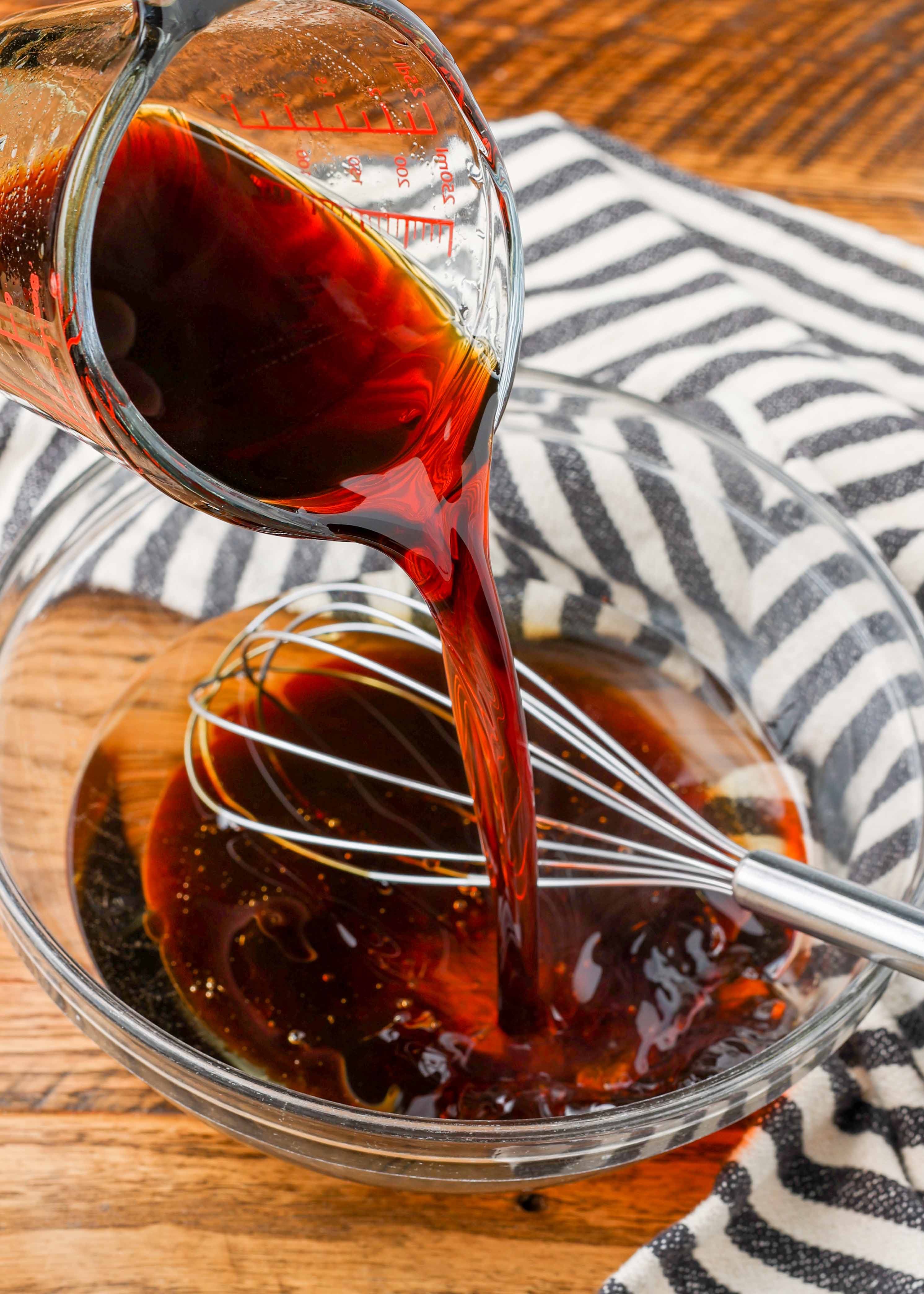
Sweet Sesame Dressing: Your Passport to Elevated Flavors
In the vast world of culinary delights, some ingredients possess an almost magical ability to transform a simple dish into an extraordinary experience. Among these culinary alchemists, sweet sesame dressing stands out as a true superstar. Beloved for its rich, nutty aroma, balanced sweetness, and savory depth, this versatile condiment is more than just a salad topper; it's a gateway to a world of vibrant Asian-inspired flavors, effortlessly elevating everyday meals to gourmet status.
From crisp green salads to hearty noodle bowls, and from delicate blanched vegetables to succulent marinades, sweet sesame dressing offers a symphony of tastes that captivate the palate. Whether you're a seasoned chef or a home cook looking to add a touch of international flair, understanding the nuances and applications of this incredible dressing will unlock a treasure trove of delicious possibilities.
The Allure of Sweet Sesame Dressing: A Symphony of Flavors
What makes sweet sesame dressing so irresistibly appealing? It’s a masterful blend of contrasting yet complementary elements that create a deeply satisfying flavor profile. At its core, you have the robust, earthy notes of sesame, often amplified by a subtle roasting process. This foundation is then artfully balanced with a gentle sweetness, which can come from various sources like sugar, mirin, or even a touch of fruity tamarind.
Many exceptional sweet sesame dressings, such as MamaLan's All Natural blend, incorporate additional layers of complexity. Imagine the earthy umami of miso paste intertwining with the zesty, slightly tart kick of tamarind. This combination creates a sophisticated depth that transcends a simple sweet-and-savory profile, adding a tangy brightness that cuts through the richness of the sesame. Other formulations might lean into the tang of apple cider vinegar, coupled with the savory punch of tamari soy sauce, as seen in Mandy's robust and silky offerings. These carefully selected ingredients come together to form a dressing that is both familiar and exciting, bringing a distinct "kick" to any Asian-inspired meal.
The beauty of a well-crafted sweet sesame dressing lies in its ability to deliver a "taste sensation" that lingers long after the last bite. Its silky texture, often achieved through quality oils and perhaps a touch of natural thickeners like xanthan gum, ensures it coats ingredients beautifully, distributing its rich flavors evenly. This makes it an ideal choice for everything from delicate spring greens to more substantial proteins and grains.
Beyond the Bottle: Understanding Goma-ae and its Roots
To truly appreciate sweet sesame dressing, it’s invaluable to explore its origins in traditional Japanese cuisine, particularly the dish known as Goma-ae (胡麻和え). More than just a simple side, Goma-ae is a testament to the elegant simplicity and profound flavors of Japanese vegetarian cooking. The name itself is descriptive: "goma" (胡麻) means sesame, and "aeru" (和える) means to dress or mix, essentially translating to "dressed with sesame."
Traditionally, Goma-ae is a pure vegetarian dish, often prepared quickly by blanching a green vegetable and tossing it with a special sweet sesame dressing. This dressing typically consists of freshly ground roasted sesame seeds, soy sauce, sugar, and mirin. Unlike many liquid salad dressings, traditional Goma-ae dressing is quite thick, almost paste-like, allowing it to cling perfectly to the vegetables and impart its full, nutty flavor. It's this unique consistency and ingredient combination that sets it apart from Goma-ae vs. Gomadare: Understanding Sweet Sesame Dressing, another sesame-based sauce that is typically more liquid and incorporates additional elements like vinegar, miso, and dashi stock.
The quality of the sesame seeds is paramount in Goma-ae. While you can find pre-ground roasted sesame, many enthusiasts prefer to buy whole roasted white sesame seeds and grind them as needed. This practice ensures the freshest, most fragrant sesame aroma, as the oils are released right before use. The choice between white and black sesame seeds also offers subtle variations in flavor and visual appeal, with white sesame generally preferred for its milder, nuttier profile in Goma-ae, allowing it to harmonize beautifully with the often-bitter notes of certain greens.
While English spinach is a classic choice for Goma-ae, the dish shines with a variety of green vegetables. For instance, chrysanthemum leaves, known as shungiku (春菊) in Japanese, offer a delightful, slightly bitter counterpoint to the sweet sesame. These delicate leaves, native to China and Japan and a staple in Asian hotpots, require only a brief blanching (15-30 seconds) to maintain their vibrant color and slight crispness; overcooking can render them mushy and intensely bitter. Other excellent options include green beans, mizuna, broccoli, okra, or even blanched cabbage, though green vegetables tend to allow the white sesame flavor to truly stand out.
Unleashing Versatility: Creative Ways to Enjoy Sweet Sesame Dressing
The true magic of sweet sesame dressing lies in its incredible versatility. While it's a natural fit for salads, its rich flavor profile opens up a world of culinary applications far beyond the conventional bowl of greens.
- Elevate Your Salads: Beyond the traditional mixed greens, experiment with hearty salads featuring grains like quinoa or farro, adding roasted vegetables such as sweet potatoes or bell peppers. Pair it with slightly bitter greens like radicchio or arugula for a delightful contrast, or embrace its Japanese heritage by dressing blanched shungiku or spinach for an authentic Goma-ae side.
- Transform Noodle & Grain Bowls: Drizzle sweet sesame dressing over cold soba or udon noodles for a refreshing summer meal. It’s also an exceptional addition to warm grain bowls featuring brown rice, millet, or forbidden rice, especially when combined with tofu, edamame, shredded carrots, and cucumber for a complete and flavorful dish.
- Blanched & Roasted Vegetable Hero: Take inspiration from Goma-ae and use it to dress blanched green beans, asparagus, broccoli florets, or even stir-fried cabbage. For roasted vegetables like Brussels sprouts or cauliflower, a generous drizzle post-roasting adds an irresistible nutty, savory finish.
- Marinades for Proteins: The robust flavors of sweet sesame dressing make it an excellent marinade for various proteins. Use it to tenderize and flavor chicken, pork, or firm tofu before grilling, baking, or pan-frying. The sesame oil, soy sauce, and sweetness will infuse your proteins with an incredible depth.
- Dipping Sauce Extraordinaire: Serve it as a unique dipping sauce for spring rolls, potstickers, or even fresh vegetable sticks. Its thick consistency and vibrant taste make it a more exciting alternative to standard soy sauce.
- Beyond the Plate: Consider brushing a thin layer onto grilled corn on the cob, or incorporating it into a quick slaw for a delightful Asian twist. Some daring foodies even use it as a flavorful spread in wraps or sandwiches!
Whether you opt for a store-bought brand known for its natural ingredients and unique blends – like those featuring canola oil, cider vinegar, tamari, and a touch of xanthan gum for that perfect silky consistency – or decide to craft your own, the versatility of sweet sesame dressing is undeniable. It’s a secret weapon for adding an international "kick" to virtually any meal.
Crafting Your Own Sweet Sesame Dressing: Tips for a Signature Taste
While many excellent ready-made sweet sesame dressings are available, creating your own allows for complete control over ingredients and flavor intensity, enabling you to tailor it perfectly to your palate. The process is surprisingly straightforward, and the results are incredibly rewarding.
Essential Components for Homemade Sweet Sesame Dressing:
- The Sesame Base:
- Roasted Sesame Seeds: This is the soul of your dressing. Start with high-quality roasted white sesame seeds. For the freshest, most intense flavor, avoid pre-ground sesame if possible. Instead, lightly toast raw seeds in a dry pan over low heat until golden brown and fragrant, then grind them in a mortar and pestle or a small spice grinder. The fresher the grind, the more aromatic your dressing will be. You can use black sesame for a bolder, slightly more bitter note and dramatic color.
- Sesame Oil: A dash of toasted sesame oil adds an extra layer of nutty depth and aroma. Use it sparingly, as its flavor is very potent.
- Sweetness:
- Sugar: Granulated sugar is common. Start with a small amount and adjust to taste.
- Mirin: Japanese sweet cooking wine, provides a more complex sweetness and a subtle umami note.
- Honey or Maple Syrup: For a more natural, alternative sweetness, these can also be excellent choices.
- Savory & Umami:
- Soy Sauce: The primary source of saltiness and umami. Use a good quality Japanese soy sauce.
- Tamari: A gluten-free alternative to soy sauce, often with a slightly richer, milder flavor.
- Miso Paste: For an incredible boost of earthy umami, incorporate a small amount of white or yellow miso. It adds a depth that's hard to replicate otherwise, reminiscent of the complex flavor profiles found in premium dressings.
- Acidity & Brightness:
- Rice Vinegar: A mild, slightly sweet vinegar that is a staple in Asian dressings.
- Apple Cider Vinegar: Offers a sharper, fruitier tang, as seen in some commercial dressings.
- Tamarind Paste: For a truly unique, fruity sourness and rich depth, a tiny bit of tamarind paste can elevate your dressing to an entirely new level. It's a key ingredient in some of the most memorable sweet sesame blends, adding an exotic twist you won't forget. To learn more about how these unique ingredients contribute to the richness of this dressing, explore Discover the Richness of Sweet Sesame: Miso, Tamarind, & More.
- Liquid & Texture:
- Water or Dashi Stock: A small amount can help achieve your desired consistency. Dashi will add another layer of umami.
- Neutral Oil: Canola, grapeseed, or sunflower oil can be used to add body and emulsify the dressing, especially if you prefer a smoother, pourable consistency rather than a thick paste.
To make your dressing, combine the ground sesame with soy sauce, sweetener, vinegar, and any optional additions like miso or tamarind. Whisk well until smooth. If desired, slowly drizzle in a neutral oil while whisking to create an emulsified, creamy dressing. Start with small quantities of each ingredient, tasting and adjusting as you go, until you achieve your perfect balance of sweet, savory, and tangy. The beauty of homemade is that it's entirely customizable!
Conclusion
Sweet sesame dressing is far more than a simple condiment; it's a culinary staple that bridges cultures and flavors, offering endless possibilities for home cooks and gourmands alike. From its humble origins in traditional Japanese Goma-ae to its modern interpretations featuring diverse ingredients like miso and tamarind, its balanced blend of nutty, sweet, and savory notes provides an instant upgrade to countless dishes. Whether you choose the convenience of a quality store-bought bottle or embark on the rewarding journey of crafting your own, sweet sesame dressing promises to elevate your salads, enhance your Asian-inspired meals, and introduce a burst of delicious excitement to your kitchen. So, go ahead – drizzle, dip, and discover the irresistible charm of sweet sesame dressing!
