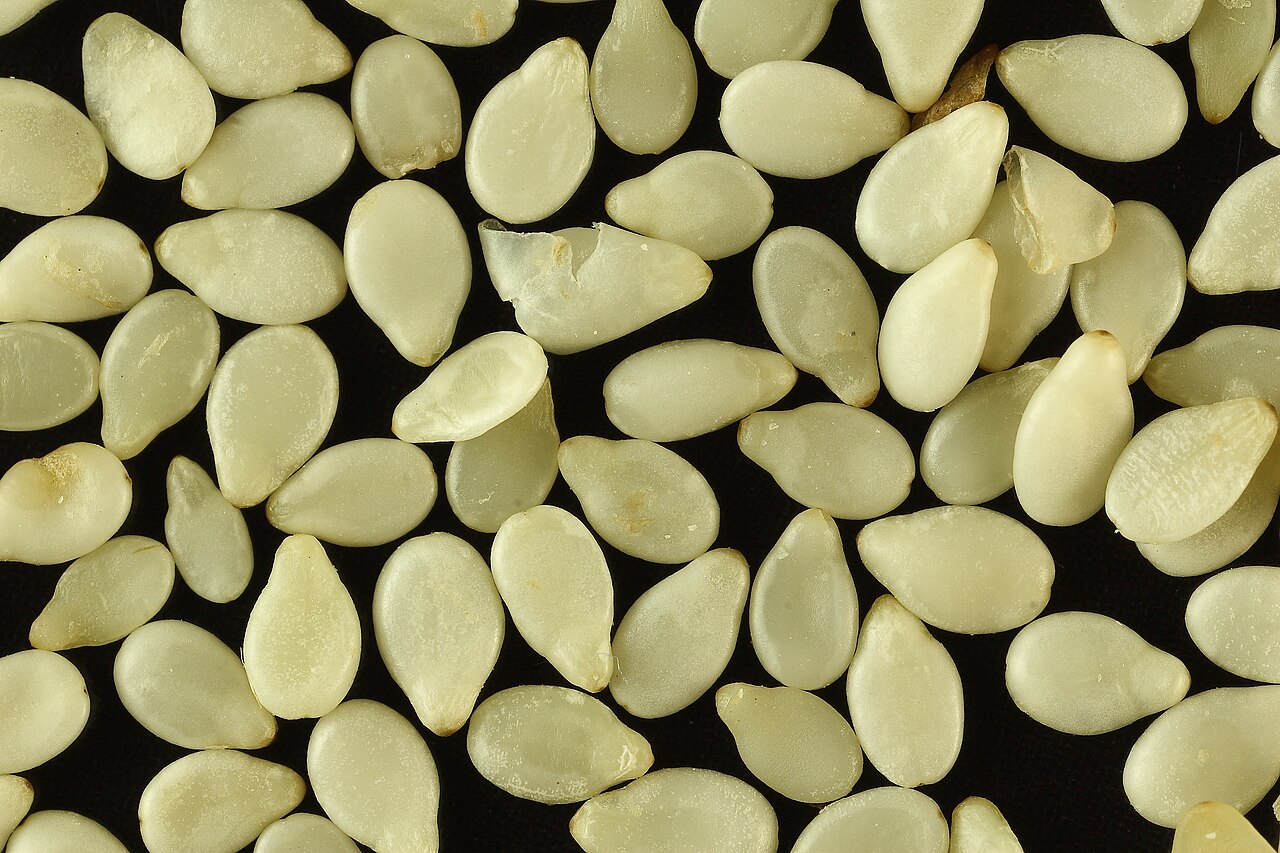
The Allure of Sweet Sesame Dressing: Navigating a World of Flavor
The captivating aroma and rich, nutty flavor of sesame, beautifully balanced with a touch of sweetness, has captivated palates across the globe. Often referred to as "sweet sesame dressing," this versatile condiment adds an irresistible depth to a myriad of dishes, from crisp salads to hearty noodle bowls. However, the term "sweet sesame dressing" itself can encompass a fascinating spectrum of preparations, particularly when delving into its Japanese origins. While commercial versions offer a convenient burst of flavor, traditional Japanese cuisine presents a crucial distinction between two iconic sesame preparations:
Goma-ae and
Gomadare. Understanding these nuances is key to truly appreciating the art of sweet sesame and unleashing its full culinary potential.
Globally, sweet sesame dressings have become a staple, adapted to diverse culinary traditions. Take, for instance, MamaLan's offering, which blends rich sesame with earthy miso and fruity tamarind – a symphony of umami, sweetness, and tang that transcends a simple dressing, elevating salads and noodles into a "taste sensation." Similarly, Mandy's, known for its fresh and unique internationally inspired dressings, boasts a sweet sesame dressing that's robust and silky, combining apple cider vinegar, tamari, and sesame oil to bring a "kick" to any Asian-inspired meal. These examples showcase the broad interpretation of "sweet sesame dressing" in the modern culinary landscape, highlighting its adaptability beyond its traditional Japanese roots.
Goma-ae (胡麻和え): The Quintessential Japanese Sweet Sesame Dish
When many Japanese culinary enthusiasts speak of "sweet sesame dressing," they are often referring to the unique preparation known as
Goma-ae (胡麻和え). This traditional side dish is a testament to simple elegance, showcasing the profound flavor of sesame without the need for complex ingredients. The name itself provides a clue: "goma" (胡麻) means sesame, and "aeru" (和える) means to dress, or to mix. Thus,
Goma-ae literally means "dressed with sesame."
At its core,
Goma-ae dressing is remarkably straightforward, consisting primarily of ground roasted sesame seeds, soy sauce, sugar, and mirin (a sweet rice wine). The magic lies in the ratio and the texture: it's not a watery, pourable sauce, but rather a thick, almost paste-like consistency designed to cling to and coat blanched vegetables. This ensures every bite delivers a full, intense sesame flavor with a harmonious balance of sweetness and umami from the soy sauce.
Traditionally,
Goma-ae is most famously paired with blanched English spinach, creating a classic vibrant green and subtly sweet dish. However, its versatility extends to a wide array of green vegetables. Consider chrysanthemum leaves, known as
shungiku (春菊) in Japanese. These delicate greens, often found in hotpot dishes, possess a slight bitterness that pairs exceptionally well with the rich sweetness of the
Goma-ae. It's important to note that these are not the leaves of ornamental chrysanthemum flowers, but rather a species of the daisy family native to China and Japan, often called garland chrysanthemum or chrysanthemum greens. Their delicate nature requires only 15-30 seconds of boiling; prolonged cooking can render them bitter and mushy, so careful blanching is key.
Beyond spinach and chrysanthemum leaves, other excellent candidates for
Goma-ae include green beans, mizuna, broccoli, or even okra. While cabbage can also be used, the contrast of the white sesame against the deep green of the vegetables often makes for a more visually appealing and flavorful combination. The preparation is simple: boil the chosen vegetables until tender-crisp, cut them into bite-sized pieces, and then gently toss with the freshly prepared
Goma-ae dressing.
For the most vibrant flavor, many connoisseurs recommend buying roasted white sesame seeds and grinding them just before use. This process releases the freshest, most aromatic sesame fragrance. While pre-ground sesame is available, taking a few extra moments to grind your own (using a mortar and pestle or a small spice grinder) can significantly elevate the final dish.
Discover the Richness of Sweet Sesame: Miso, Tamarind, & More by exploring the depth sesame can bring to various dressings and dishes.
Gomadare (胡麻だれ): A Broader Sesame Sauce
While
Goma-ae is a specific preparation for dressed vegetables,
Gomadare (胡麻だれ) represents a broader category of sesame sauce. The "dare" (だれ) in
Gomadare signifies "sauce," implying a more liquid, pourable consistency than its thicker cousin. This distinction is crucial for understanding its application and flavor profile.
Gomadare typically includes a wider array of ingredients than
Goma-ae. While it still features ground sesame seeds prominently, its composition often incorporates vinegar (usually rice vinegar), miso, dashi stock, soy sauce, and mirin. The addition of vinegar provides a tangy counterpoint to the sesame's richness, while dashi stock introduces a foundational layer of umami that makes it incredibly savory and complex. Miso further deepens this umami, adding an earthy, fermented dimension that is absent in the more direct, sweet-nutty profile of
Goma-ae.
Due to its more liquid nature,
Gomadare is highly versatile. It shines as a dressing for various salads, a dipping sauce for hot pot dishes like shabu-shabu, or even as a rich sauce for cold noodles. Its pourable consistency allows it to coat ingredients more evenly in a less cloying manner, making it suitable for larger quantities of food or as a general table condiment.
Unpacking the Differences: Goma-ae vs. Gomadare
The distinction between
Goma-ae and
Gomadare is not merely semantic; it dictates their culinary application and expected flavor experience. Understanding these differences is paramount for any home cook looking to authentically prepare Japanese dishes or simply to choose the right "sweet sesame dressing" for their needs.
Here's a breakdown of their key differentiating factors:
* **Consistency:** This is perhaps the most significant difference.
Goma-ae dressing is thick, almost a paste, designed to cling to individual pieces of blanched vegetables. It's meant to *coat* rather than flow.
Gomadare, on the other hand, is a more liquid, pourable sauce, akin to a standard salad dressing.
* **Key Ingredients:**
* **Goma-ae:** Focuses on ground sesame seeds, soy sauce, sugar, and mirin. Its flavor profile is intensely nutty, sweet, and directly savory.
* **Gomadare:** Includes ground sesame seeds but builds upon them with vinegar (adding tang), dashi stock (adding deep umami), and often miso (adding earthy complexity), alongside soy sauce and mirin.
* **Primary Use:**
* **Goma-ae:** Exclusively used for dressing blanched vegetables as a side dish. It's a preparation method itself.
* **Gomadare:** A general-purpose sauce used as a dressing for various salads, a dipping sauce for hot pots, or a sauce for noodles. It's a versatile condiment.
* **Flavor Profile:** While both are "sweet sesame,"
Goma-ae is purer, highlighting the sweet and nutty aspects of sesame directly.
Gomadare introduces more layers of flavor with tang from vinegar and robust umami from dashi and miso, making it generally more complex and often less overtly sweet.
When a recipe calls for "sweet sesame dressing," it's vital to consider the context. If it's for blanched greens, it likely implies a
Goma-ae style. If it's for a salad or as a dipping sauce, a more liquid
Gomadare style or a commercial interpretation might be appropriate.
Crafting Your Own Sweet Sesame Dressing: Tips and Techniques
Whether you aim for the traditional depth of
Goma-ae or the versatile pourability of
Gomadare, crafting your own sweet sesame dressing at home is a rewarding experience.
1. **Start with Quality Sesame Seeds:** Always opt for high-quality, plump sesame seeds. While you can buy raw seeds and dry-roast them yourself in a dry pan over low heat until fragrant and lightly golden, pre-roasted white sesame seeds from Japanese or Korean grocery stores are an excellent shortcut.
2. **Grind for Freshness:** For
Goma-ae especially, grinding the roasted sesame seeds yourself as needed (using a traditional suribachi or a small food processor/spice grinder) makes a significant difference. Freshly ground sesame releases an unparalleled aroma and flavor compared to pre-ground versions, which can lose their potency quickly.
3. **Balance the Sweetness:** The "sweet" in sweet sesame dressing is subjective. Adjust the sugar and mirin to your preference. Remember, mirin provides a nuanced sweetness with a subtle alcoholic depth, distinct from granulated sugar.
4. **Umami is Key:** For
Goma-ae, good quality soy sauce is essential. For
Gomadare, incorporating dashi stock (homemade or instant) and miso paste will dramatically enhance the umami profile. Experiment with different types of miso (white, red, or mixed) for varying depths of flavor.
5. **Texture Control:** For
Goma-ae, gradually add your liquid ingredients (soy sauce, mirin, sugar) to the ground sesame, mixing until you achieve that desired thick, clingy consistency. For
Gomadare, blend all ingredients until smooth and adjust with a touch of water or dashi if you prefer a thinner consistency.
6. **Experiment with Acidity:** While
Goma-ae typically lacks vinegar,
Gomadare benefits from it. Rice vinegar is traditional, but you can experiment with apple cider vinegar (as seen in Mandy's dressing) for a different tang.
7. **Beyond the Basics:** Don't be afraid to customize! A touch of grated garlic or ginger can add a zesty kick to a
Gomadare. A tiny pinch of *shichimi togarashi* (Japanese seven-spice blend) can introduce subtle heat and complexity.
Sweet sesame dressing, in all its forms, is a gateway to elevating your everyday meals. From the rich, clingy embrace of
Goma-ae on blanched greens to the pourable tang of
Gomadare on a fresh salad, mastering these preparations allows you to bring authentic and exciting flavors into your kitchen.
Sweet Sesame Dressing: Elevate Your Salads and Asian Meals by exploring these nuanced approaches.
Conclusion
The world of sweet sesame dressing is far richer and more diverse than a single definition suggests. While commercial products offer convenient and delicious interpretations, understanding the traditional Japanese distinctions between
Goma-ae and
Gomadare unlocks a deeper appreciation for this beloved flavor.
Goma-ae, with its thick, coating consistency and pure sesame-sweet-umami profile, is the perfect partner for blanched vegetables.
Gomadare, a more liquid sauce enriched with vinegar, dashi, and miso, offers broader versatility for salads, noodles, and dipping. By recognizing these differences, home cooks can confidently choose or create the perfect sweet sesame dressing to enhance their culinary creations, bringing authentic Japanese flavors and innovative Asian-inspired twists to their table.