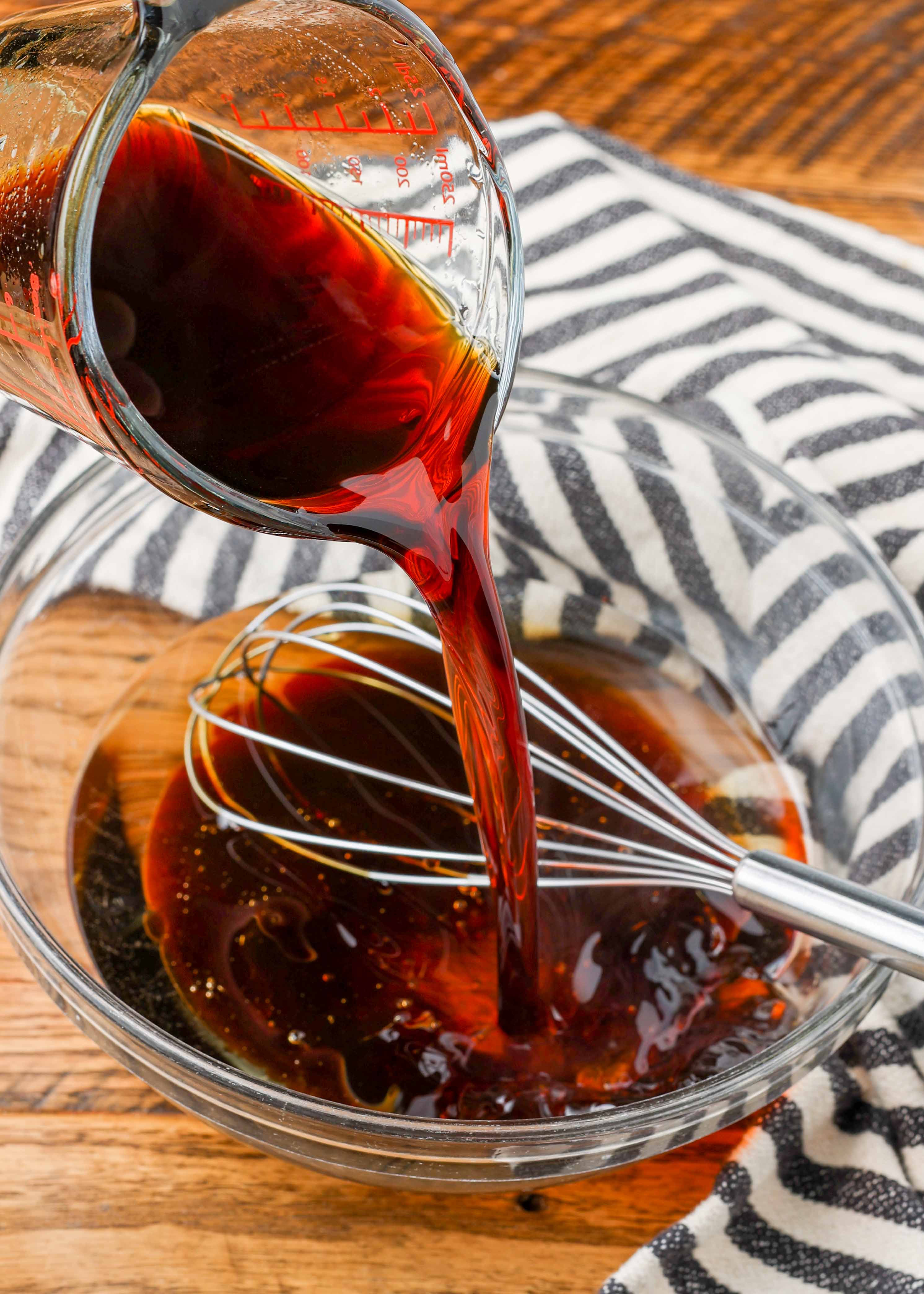
Unlocking the Culinary Magic of Sweet Sesame Dressing
In the vast landscape of culinary enhancers, few ingredients possess the transformative power and versatile appeal of a truly exceptional dressing. Among these, sweet sesame dressing stands out as a vibrant, flavor-packed star, capable of elevating everything from simple salads to intricate Asian-inspired meals. Far more than just a condiment, this rich, aromatic concoction brings together a symphony of tastes – from the nutty depth of sesame to the earthy complexity of miso and the bright tang of tamarind. It’s a dressing that not only coats but truly *enhances*, leaving a memorable impression with every bite.
Whether you're a home cook seeking to infuse new life into your weeknight dinners or an adventurous gourmand eager to explore unique flavor combinations, understanding the nuances of sweet sesame dressing is a rewarding journey. Let's delve into what makes this dressing so special, its diverse applications, and how you can best enjoy its incredible richness.
The Anatomy of Flavor: What Makes Sweet Sesame Dressing Special?
The allure of sweet sesame dressing lies in its meticulously balanced flavor profile. It’s a dance between sweet, savory, tangy, and umami notes, creating a harmony that is both robust and silky. At its heart, of course, is sesame – typically roasted white sesame seeds, which impart a deep, nutty aroma and a satisfying texture when ground. But it's the supporting cast of ingredients that truly makes this dressing sing:
- Rich Sesame: The undeniable star. Roasted sesame seeds provide a warm, toasted, and intensely nutty foundation. Some brands might use sesame oil for an extra layer of aroma, contributing to that desirable "kick."
- Earthy Miso: A traditional Japanese fermented soybean paste, miso introduces a profound umami depth and a subtle earthy saltiness. It adds complexity and rounds out the flavor profile beautifully, making the dressing more savory and satisfying.
- Fruity Tamarind: Offering a unique counterpoint, tamarind brings a delightful tartness with underlying fruity notes. This natural acidity cuts through the richness of the sesame and miso, adding a bright, zesty character that prevents the dressing from becoming too heavy.
- Sweetness (Sugar & Mirin): To balance the savory and tangy elements, a touch of sweetness is essential. Ingredients like sugar or mirin (a sweet Japanese rice wine) provide this, ensuring a well-rounded and palatable experience that lives up to the "sweet" in its name.
- Umami & Salinity (Soy Sauce & Tamari): A staple in Asian dressings, soy sauce or its gluten-free counterpart, tamari, deliver crucial umami and savory saltiness. Tamari, often found in more modern or health-conscious formulations, maintains that rich soy flavor while accommodating dietary needs.
- Acidity (Cider Vinegar): Beyond tamarind, some recipes or commercially prepared dressings incorporate apple cider vinegar. This adds another layer of tang, a refreshing crispness, and can contribute to the dressing's overall robustness.
- Silky Texture (Oil & Xanthan Gum): Ingredients like canola oil provide body and a smooth consistency, while natural thickeners like xanthan gum help achieve that desirable "robust and silky" texture that coats ingredients beautifully.
The combination of these elements creates a truly addictive dressing that can transform even the simplest greens into a taste sensation. It’s no wonder brands like MamaLan and Mandy’s have perfected their unique, internationally-inspired blends, tried and tested over years to deliver spectacular flavors.
Beyond the Salad Bowl: Creative Uses for Sweet Sesame Dressing
While undoubtedly a phenomenal salad dressing, sweet sesame's versatility extends far beyond mixed greens. Its robust and multifaceted flavor profile makes it an incredibly useful ingredient for a wide array of dishes, breathing new life into your culinary creations.
Elevate Your Meals with Sweet Sesame:
- Noodle Dishes: Drizzle generously over cold sesame noodles or warm stir-fried noodle bowls. It instantly adds a rich, nutty, and savory-sweet dimension that is deeply satisfying. Think of it as a quick shortcut to authentic Asian noodle flavors.
- Marinade Magic: Use it as a marinade for tofu, chicken, or fish. The acids (tamarind, vinegar) help tenderize, while the sesame, miso, and soy impart incredible flavor that penetrates the protein, perfect for grilling, baking, or pan-frying.
- Dipping Sauce Extraordinaire: Serve it alongside spring rolls, dumplings, gyoza, grilled skewers, or even sushi. Its complex flavors make it a much more exciting alternative to plain soy sauce.
- Vegetable Transformation: Don't just limit it to salads! Sweet sesame dressing works wonders on steamed, roasted, or blanched vegetables. Toss it with green beans, broccoli, asparagus, or even roasted root vegetables for a delightful side dish.
- Grain Bowl Enhancer: For healthy and hearty grain bowls featuring quinoa, brown rice, or farro, a dollop of sweet sesame dressing can tie all the ingredients together, adding moisture and a burst of flavor.
- Sandwich & Wrap Spread: Thinly spread on bread or tortillas for an Asian-inspired sandwich or wrap. Pair with grilled chicken, crisp vegetables, or even a simple egg salad for an unexpected twist.
- Stir-fry Finishing Sauce: A spoon or two added at the end of a vegetable or protein stir-fry can act as a fantastic finishing sauce, imparting a glossy sheen and a delicious boost of flavor.
The key is to think of sweet sesame dressing not just as a topping, but as an integral flavor builder that can add depth and character to almost any dish calling for an Asian-inspired touch.
Embracing Japanese Tradition: Goma-ae and Its Greens
A beautiful demonstration of sweet sesame's traditional application comes from Japanese cuisine in the form of Goma-ae (胡麻和え). This classic side dish, often vegetarian, directly translates to "sesame dressing" (goma meaning sesame, and aeru meaning to dress). It beautifully showcases how the simple yet profound flavors of a sweet sesame dressing can highlight the natural taste of green vegetables.
Goma-ae: A Culinary Distinction
It's important to note the distinction between goma-ae dressing and gomadare (胡麻だれ), or sesame sauce. While both feature sesame, their compositions and textures differ significantly. Goma-ae dressing is typically thicker, less watery, and primarily consists of ground roasted sesame seeds, soy sauce, sugar, and mirin. Gomadare, on the other hand, often includes additional ingredients like vinegar, miso, and dashi stock, resulting in a thinner, more complex sauce used for different purposes.
The Perfect Pairing: Chrysanthemum Leaves
Traditionally, goma-ae is frequently made with blanched English spinach. However, a particularly exquisite pairing is with chrysanthemum leaves, known as shungiku (春菊) in Japanese. These delicate greens, also called garland chrysanthemum or spring chrysanthemum, are native to China and Japan and are widely used in Asian cuisine, especially in hotpot dishes.
What makes shungiku so special for goma-ae? Their distinct, slightly bitter flavor provides a wonderful contrast to the sweetness and nuttiness of the sesame dressing. This interplay of bitter and sweet creates a sophisticated taste experience. When preparing shungiku, quick blanching is crucial—only 15-30 seconds—as prolonged boiling will make them bitter and mushy. Even when blanched correctly, you’ll notice that characteristic subtle bitterness that makes them a perfect canvas for sweet sesame.
Other Greens for Goma-ae:
Beyond spinach and shungiku, goma-ae can be prepared with a variety of other green vegetables. The general rule is to boil the vegetables, cut them into bite-sized pieces, and then dress them with the sweet sesame sauce. Great options include:
- English Spinach: The most common and widely accepted choice, offering a mild flavor and tender texture.
- Green Beans: Add a pleasant crunch and slightly sweet note.
- Mizuna: A Japanese mustard green with a peppery, slightly bitter taste, similar to shungiku.
- Broccoli: Florets can be blanched until tender-crisp for a robust texture.
- Okra: When blanched quickly, okra retains its unique texture and mild flavor.
- Cabbage: While often used, many prefer green vegetables as the white sesame flavor tends to stand out more beautifully against their vibrant color.
The beauty of goma-ae lies in its simplicity and its ability to transform everyday greens into a delicious and healthful side dish, showcasing the inherent power of sweet sesame dressing.
Crafting Your Own: DIY Sweet Sesame Dressing Tips
While excellent store-bought sweet sesame dressings are readily available, creating your own offers the ultimate control over ingredients, sweetness, and consistency. It’s also a fantastic way to experience the freshest, most vibrant sesame aroma.
Here are some tips for making your own at home:
- Start with Fresh Sesame: Purchase raw white sesame seeds from a reputable Japanese or Asian grocery store. They often have plumper seeds with a better fragrance.
- Roast for Flavor: If your sesame seeds are raw, dry roast them in a fry pan over low heat. Stir continuously until they turn a light golden brown and release a rich, nutty fragrance. This step is crucial for developing deep flavor. You can also buy pre-roasted seeds for convenience.
- Grind as Needed: For the freshest aroma, grate or grind the roasted sesame seeds just before making your dressing. A mortar and pestle or a small food processor works perfectly. The fresher the grind, the more pronounced the sesame fragrance.
- Basic Recipe Foundation: A simple homemade sweet sesame dressing often includes freshly ground roasted sesame seeds, soy sauce (or tamari), sugar (or mirin), rice vinegar or apple cider vinegar, a touch of sesame oil, and water to adjust consistency.
- Add Complexity: To mimic the richness of commercial versions, consider incorporating a small amount of white miso paste for umami, or a dash of tamarind paste for that fruity tang. A hint of dashi stock can also add depth.
- Taste and Adjust: The beauty of homemade is customization. Start with conservative amounts of sugar, soy sauce, and vinegar, then taste and adjust to your preference. Do you prefer it sweeter? More tangy? Saltier?
- Consistency Control: If your dressing is too thick, add a little water, vegetable broth, or even a touch more vinegar until you reach your desired "drizzling" consistency.
- Storage: Store your homemade sweet sesame dressing in an airtight container in the refrigerator for up to a week.
Conclusion
Sweet sesame dressing is a true culinary gem, offering a symphony of rich sesame, earthy miso, and fruity tamarind notes that can transform everyday meals into extraordinary experiences. From its traditional roots in Japanese Goma-ae to its contemporary applications in salads, noodles, and marinades, its versatility is unmatched. Whether you opt for the convenience of an all-natural, robust store-bought blend or choose to craft your own unique version, embracing the richness of sweet sesame promises a delightful journey for your taste buds. So, go ahead – drizzle, dip, and discover the spectacular flavors that this incredible dressing brings to your table.
